
Regulus Counseling for First Responders AND LEOs
“Out of suffering have emerged the strongest souls…”—Khalil Gibran, Lebanese-American Writer, Poet, and Visual Artist (1883-1931)
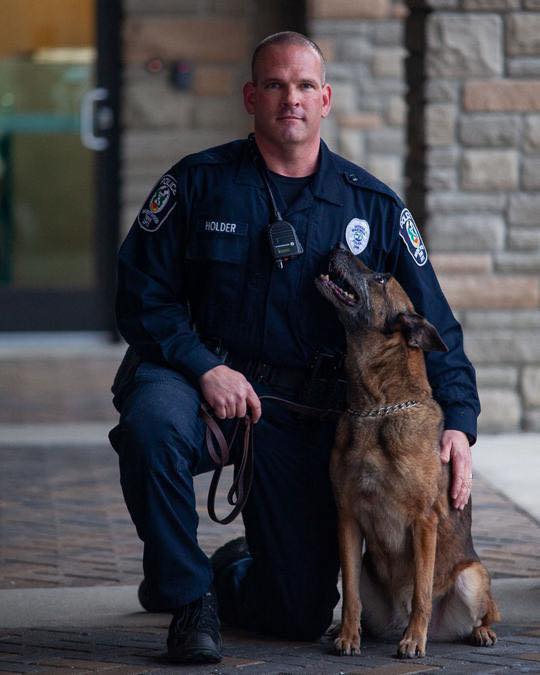
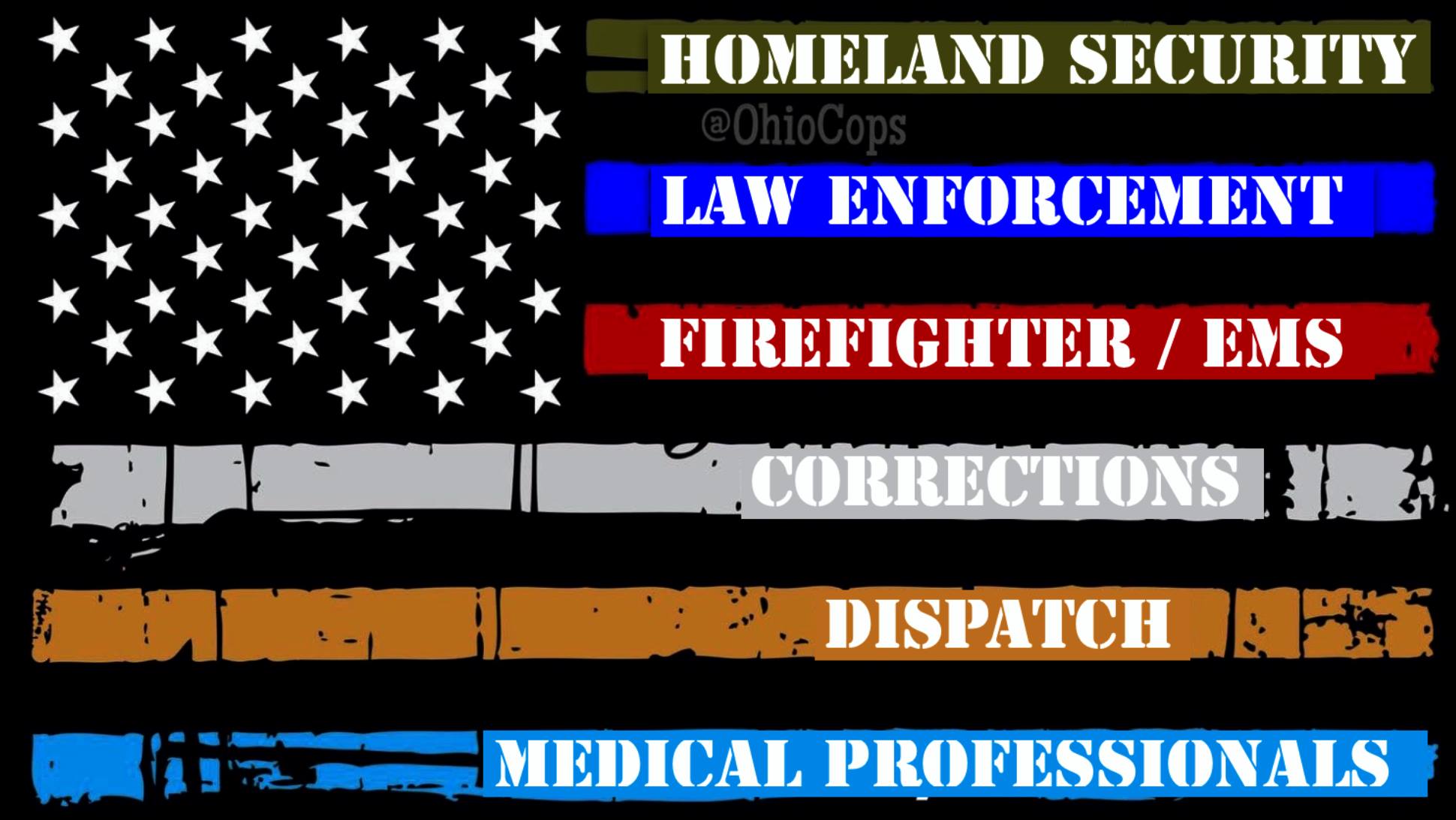
FIRST RESPONDERS AND LEOs
“We have to take care of our own, before we can take care of anyone else.”—Lifelines: Substance Use Disorder, Status Code 4, Inc.
A few words from our founder and clinical director:
“There is a severe gap in sufficient mental health services among law enforcement officers who will actively seek mental health services. The profession exposes them to critical and stressful situations, which may adversely affect performance, productivity, and personal wellness, which makes it imperative for law enforcement officers to have an outlet. In general, police departments had little to no options for mental health services; believing there were no viable options, law enforcement officers were reluctant to seek help for effective, healthy coping strategies to manage the stress associated with their profession. After retiring from law enforcement, I translated my experiences in my department into the civilian world. Otherwise, reluctant law enforcement officers in need of help would suffer.”
Regulus Counseling is named, in part, in homage to a community we are passionate in supporting: Law Enforcement Officers, or LEOs, and First Responders, where our hope is to fill that gap—providing sufficient resources and care to an underserved community. Our First Responders are the protectors within our communities—the first to rush towards danger and violence; the first to rush towards scorching fires and horrific accidents; the first to hear our emergencies to dispatch help; and the first to comfort a victim’s loved one—do so every day, never certain if they will return home unscathed, without scars, or at all.
Many times, we associate First Responders: a firefighter, a police officer, an EMT, we visualize a strong hero, invincible to danger. First Responders internalize the pressure to hold themselves in this regard, where they have an innate ideation: protecting others. First Responders feel compelled to internalize that standard of strength, while also carrying intense pain and grief from their experiences as a protector. That pain and grief is hidden, particularly from their family and others close to them, shielding them from their unfathomable experiences and continual stressors.
Many times, we associate First Responders as those who rush into action in the line of duty. First Responders are also those who rush to dispatch help by sending firefighters, law enforcement officers, and EMTs. These First Responders are the courageous men and women who work behind the scenes to coordinate the efforts of the front line officers, to ensure they arrive to the emergency in a timely manner. These First Responders are often overlooked as personnel and overlooked for similar mental health services as they are behind the scenes. Their roles as First Responders are as equally important as those in the line of duty, where they face similar emotions of trauma, particularly secondary trauma, from hearing the frantic calls for service. One salient distinction between these First Responders and those in the front lines of duty: they often do not receive closure from these emergency calls, left to worry about the person who called, or the person involved in the emergency.
Among the First Responder community is the tradition of sacrifice: placing the needs of others above their own, as the last to seek help. Working under stringent demands, many incidents are extremely stressful and emotional. The First Responder must compartmentalize: focusing on his or her duty while suppressing their emotions and stress, silently.
First Responders are chronically exposed to stressors: high level traumatic events, accompanied with intense emotional experiences, resulting from the traumatic and critical event. Trauma, compounded by difficult working circumstances (including long hours, continual stress, poor diet and exercise regiment, threat of injury or death, sleeping difficulties, little personal time, among other factors), deteriorate the First Responder’s physical, mental, and emotional health, which adversely affects his or her work performance, while also inevitably, adversely affecting his or her family life.
First Responders not only hold responsibilities to their communities, they also hold responsibilities to the people in their personal lives, where they must also balance the daily stressors associated with family life. Not only are First Responders coping with stressors, critical incidents, and other potentially traumatic events while in the line of duty, they are potentially coping with these events in their personal lives. It is imperative to provide First Responders readily accessible resources, which enable them to navigate through these conditions with effective stress management tools to maintain a balance.
In working under severe, chronic, and traumatic stress, there is a unique nature in regards to trauma experienced by First Responders, which is not necessarily defined by a singular traumatic event; rather, the trauma is cumulative over time, complex, and multifaceted, also referred to as Cumulative Career Traumatic Stress (CCTS). CCTS is similar to PTSD, with the distinction of CCTS as the First Responders sporadically experience one or a combination of symptoms throughout their career, as they are exposed to a myriad of traumatic events, whereas PTSD presents suddenly as a result of a singular traumatic event directly experienced by the First Responder.
SYMPTOMS OF CUMULATIVE CAREER STRESS DISORDER (CCSD)
Cumulative Career Stress Disorder (CCSD) presents as the sporadic experience of trauma symptoms:
- Intrusive thoughts and memories of troubling incidents (flashbacks or nightmares)
- Emotional numbing
- Moodiness
- Anxiety
- Avoiding reminders of an incident(s)
- Loss of hope
- Hypervigilance
- Memory and/or concentration difficulties
- Sleeping and/or eating difficulties
- Disconnection from family and friends
- Hyperarousal
We enter a paradigm shift: First Responders are progressively encouraged to be receptive in receiving support from those who understand their daily difficulties, where they no longer struggle in silence, alone. First Responders no longer have to hold themselves at an impossible standard—it is okay to not be invincible, it is okay to be human. What is important to recognize is that underneath their uniforms, are human beings with their own needs.
Enhancement in overall wellness is an investment. First Responders investing in themselves, are investing in their families, by being a better parent, a better spouse. First Responders investing in themselves, are investing in their community, to better serve and protect their neighbors. We recognize the pressures and traumas First Responders face, supporting them in their needs, as we look beyond their uniform and their devotion to protecting their communities. Our team behind Regulus Counseling hopes to embark on that journey with you, as we envision each of our clients as an investment: for themselves, their families, and their communities.
The commitment to self-care is essential to overall wellness.
FIRST RESPONDERS AND LEOs, INDIVIDUAL
First Responders are exposed to daily stressors while on duty, where that chronic stress, alone, can contribute to the development of PTSD. Compounded by the life-threatening situations and other traumatic events, including secondary trauma (or vicarious trauma), First Responders have a high likelihood of developing PTSD. Over time, the daily stress, pressure, and trauma accumulate, adversely affecting the First Responders’ performance on the job, and most importantly, their health and overall wellness. It is essential for First Responders to have a private mental health professional to confide. First Responders’ wellness is not only essential for the individual (personal wellness), but also their family, and the communities they protect.
In our experience, two primary barriers to First Responders seeking counsel are: the feeling their clinician may never understand their experiences; and the concern of confidentiality, particularly within their department (if the department provides an institutional mental health service, and in general). As a veteran of the United States Army and of law enforcement, our founder and clinical director has extensive knowledge of these experiences, hearing and witnessing these stressors and pressures among his peers, while also hearing their concerns that available mental health services would not sufficiently meet their needs.
Regulus Counseling will connect our First Responders with the clinician who specializes in working with trauma and the First Responder community. Our team of clinicians offers evidence-based trauma therapy for First Responders on their journey into healing from PTSD, chronic trauma, and other mental health issues as consequences of the trauma, guiding clients in their path towards healing and discovering wellness, by providing healthy, constructive stress management skills. We utilize a confidential, secure, HIPAA-compliant tele-therapy platform, where all clients, including First Responders, can be confident that confidentiality is a paramount priority. Together, we can navigate any road.

FIRST RESPONDERS AND LEOs, FAMILY
Our team behind Regulus Counseling ensures each member of a First Responder family receives the care and support they need. We recognize each member of the family faces different challenges, where we will work with you to navigate these challenges and find constructive solutions to decrease stress and heighten emotional wellness.
SPOUSES
In our experience, a First Responder’s journey into healing is not taken alone; it is also taken by their spouse on a parallel journey. First Responders understand the potential harms associated with the job, and has accepted it; the spouse also acknowledges these risks, but has not necessarily considered the consequences of those dangers, considerably changing the dynamic of the relationship.
As First Responders experience physical dangers while on duty, at times, their trauma can be compounded by a physical injury. The spouse may now transition into a caregiving role. As the First Responder embarks on his or her journey into healing, the spouse, as a caregiver, will begin to neglect their emotional needs, placing everyone’s needs first, experiencing challenges in silence, alone. The spouse will rarely complain, share difficulties, or ask for help.
However, the best thing the spouse can do for their First Responder, family, and themself, is to regain control over their own happiness and health—physically and emotionally. Similar to their First Responder spouse, it is okay to take off the superhero cape—it is okay to be human, and seek guidance towards rejuvenation and wellness.
CHILDREN
Children may be the least recognized for their emotional needs, who may have difficulty navigating their unique challenges in which they do not necessarily understand, or have a difficult time expressing and articulating. Our team consists of clinicians experienced in working with children, facilitating a dialogue to share these difficulties and concerns.
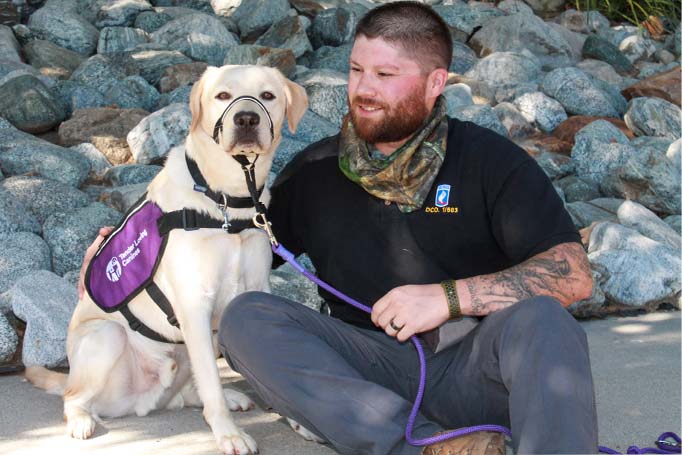
VETERANS Counseling
A core ideal among military service members is working in a team. Once they leave service, military Veterans lose the stability they once felt. Suddenly, they are alone, without support, no longer a part of a team, as they are left feeling lost, or without purpose or direction. Military service members left alone, tend to avoid interactions with anyone they are unfamiliar with, or have any connection. As a result, many service members self-isolate in various forms to avoid social interactions.
Many Veterans also actively avoid services, including the VA, and are especially avoidant of mental health services. For many, seeking mental health services is viewed as a sign of weakness. Military Veterans are hesitant of attending therapy, due to the socialization of military service, stigma, or self-isolation imposed by PTSD and other traumas.
Historically, one in four Americans who are not receiving mental health counseling services, are the individuals who would most benefit from mental health services. Translating that statistic to military services members, too many Veterans are underserved in regard to mental health counseling.
COMMON EMOTIONAL REGULATION DIFFICULTIES AMONG VETERANS AND MILITARY MEMBERS
- Military acculturation
- Marital stress
- Deployment stress
- Combat stress
- Military retirement
- Transition and adjustment to civilian life
- One.
22 Veterans and one Active-Duty service member will commit suicide each day. One life taken every 65 minutes. Stress load—the accumulation of stressors, including relationship break-ups, job difficulties, relationship difficulties with other members of the unit, and physical problems, including injury—is the major trigger. Where physical limitations—chronic pain and physical disability—may be the factors which precipitate suicidality among older soldiers and those of higher rank, for younger Active-Duty members who have experienced injury, may be placed on limited duty, results in depression, believing he or she can no longer perform the job, contributing to loss of identity, further exacerbating the depression.
A difficulty the military and Veteran community faces is trauma, resulting from combat or other duty-related issues. PTSD, a mental health condition as a result of exposure to an event or series of events during which a person is exposed to stressors beyond their ability to process and manage their overwhelming feelings, has been most commonly associated with the military, and other professions in which individuals are placed at risk of serious injury, or loss of life. Military members who have been exposed to traumatic events can flash back to their time in the war zone, witnessing their comrades killed, or severely wounded.
One event can drastically change a person’s life, particularly impactful among the military community. On April 5, 2005, during Operation Iraqi Freedom, an Army combat medic and his squad were hit with a large improvised explosive device (IED), as he suffered a concussion, and three Iraqis were severely injured; one Iraqi with a large wound, did not survive. This event, these injuries, the person whom the medic wanted to save but couldn’t, would remain emblazoned in the combat medic’s mind, ultimately causing PTSD.
Stress load, chronic pain, depression, and trauma are all factors placing Veterans and military service members in imminent danger. The inability to cope can lead to self-medication (alcohol, drug use, or engaging in other risky behaviors) to ease the pain or escape, as well as self-isolation from friends and family, resulting in the development of addiction and the degradation of family and support systems, further deteriorating their overall health. It is imperative for this community to have an outlet and a support system to discover healthy, constructive coping skills for these challenges.
If you are of immediate danger or hurting yourself, or attempting suicide, call 911 or your local emergency room number immediately.
If you think you may hurt yourself, or attempt suicide, call the Veterans Crisis Line: 1-800-273-TALK (1-800-273-8255), and press “1.”
If you have a loved one who is in danger of suicide, or has made a suicide attempt, ensure they are not alone. Call 911 or your local emergency room number immediately. If you believe it is safe to do so, take the person to the nearest emergency room.
Regulus Counseling seeks to assist Veterans and Active-Duty service members by working with them as a team, as their “battle buddy,” as their support system. It is important for this community to know that seeking mental health services is not a sign of weakness, but rather, a sign of strength. Our clinical director is a military Veteran, where his message to all Veterans is: showing up for the first counseling session is the hardest part of attending counseling. After that point, counseling becomes easier, walking one step at a time. Our clinical director recognizes that “Life is a team sport,” where he will work alongside the Veteran or active service member to address their unique needs, including those who are on their journey into healing from PTSD. We utilize a confidential, secure, HIPAA-compliant tele-therapy platform, where our clients can be confident that confidentiality is of highest priority. We hope to explore the terrain with you, towards healing and rediscovery.

ORGANIZATION
Progressively, we are all feeling an accelerated pace in life, especially in our careers, with pressures to perform; with this pressure, there is a rise of organizational stress, perceived betrayal, and psychological disengagement in our workplace, especially among fast-paced industries such as tech. Despite investments in wellness platforms and engagement tools, internal data and industry trends highlight a disconnect: burn out and attrition rising among top performers; organization betrayal; and employees report an increase in distrust of institutional promises. The absence of structed training on these invisible, yet incredibly impactful, issues leave the entire organization vulnerable. We can offer programs to address these issues, aiming to proactively respond, rebuild trust, and equip managers to navigate these challenges with clarity and care.
The goal is to build and maintain a resilient and equitable workplace environment, where our programs offer a necessary and evidence-driven approach to restore trust, retain talent, and sustain innovation. Investing in this type of training is an investment not only in the people within the organization, but also an investment in the organization as a whole— a strategic imperative to sustain long-term organizational integrity.
Participants of this program will understand how high-functioning organizations unintentionally create betrayal scenarios, while learning to identify and mitigate stressors and trust ruptures. Further, participants will gain the necessary skills to engage with teams using trauma-informed, equity-conscious frameworks, as well as learning actionable strategies to co-create sustainable, humane workplaces.
BURN OUT
We work hard in our professions—for some of us, we are among an industry which is high-paced, with the pressure to be perfect and productive. The intense pressure can take its toll: cognitively, emotionally, and physically. What compounds to this pressure, is the lack, or perceived lack of, recognition, as we have given our all to the organization, which can lead to the “silent exit”—disengagement, presenteeism, or quiet quitting. The remedy is to value each employee for the work they have contributed, building a non-toxic ambition through purpose.
ORGANIZATIONAL BETRAYAL
Organizational betrayal occurs when there is a breach of psychological contracts, unkept promises, misuse of DEI, and other unacknowledged systemic harms, resulting in moral injury, particularly among high-achieving employees. The high price of this betrayal: retention, trust, and brand, as organizational betrayal has been a growing concern in exit interviews. Some industries are incredibly competitive, including the tech industry or professional athletic organizations, where employees feel they must continually fight to keep their jobs, living in survival mode, rather than living in innovation. High-achieving employees can be exposed to toxic cultures, where the misuse of “resilience” in the toxic environment may result in psychological numbing. Middle managers play an integral role as culture amplifiers through active micro-acknowledgement, demonstrating integrity, and being open to having the difficult conversations.
DISTRUST OF INSTITUTIONAL PROMISES
In connection to organizational betrayal, employees may have a distrust in institutional promises, such as in mental health or other performance support. Organizations can cultivate an environment of trust through transparency and accountability, where apologies, reparation, and feedback loops after policy failures or DEI harm are integral. We all experience stress and high pressure, where access to mental health is key to maintaining balance. It is crucial for organizations to embed care into performance systems, augmenting to existing employee-assisted programs (EAPs). Healthy employees generate a healthy organization.